
Review · TROUBLES TAXI TOURS
Official World Famous Belfast Black Taxi Tour
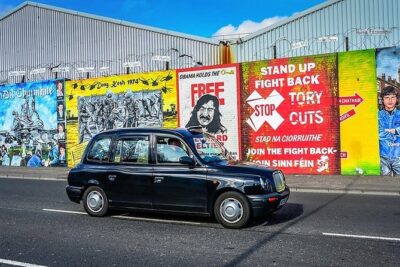
Belfast’s murals pack a punch. This private black taxi tour lines up the key mural spots fast, from the Peace Wall and Peace Gates to the biggest wall art on the Falls Road and Shankill. I like the way the tour is built for time, you stop at the exact places, get context from your guide, then you head on before your legs turn into protest signs.
Two things I really like: first, the storytelling focus, with a guide using local knowledge and older photos/video to explain what you’re seeing without turning it into a lecture. Second, the photo-friendly pacing, you get short stops built around landmarks and memorial gardens, including places like Bobby Sands sites and both-sided murals. One consideration, this route is emotionally heavy, so it helps to know you are signing up for a guided look at conflict, not just street art.
In This Review
- Key things to know before you go
- A private black taxi beats the bus for Belfast murals
- Getting your bearings at Divis and the Welcome Wall
- Stop 1: Divis
- International Mural Wall and Peace Gates, where global themes show up
- Stop 2: International Mural Wall Divis Street
- Stop 7: another International Mural Wall Divis Street moment
- The Peace Wall and Peace Wall Belfast, separation made visible
- Stop 3: Peace Wall
- Stop 5: Peace Wall Belfast, signed messages
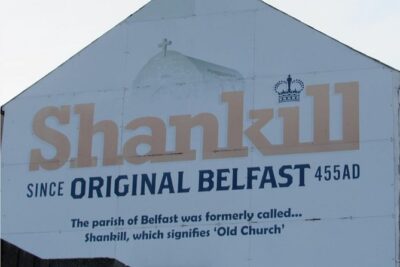
- Shankill Road: loyalist murals, bonfires, and the Bayardo Bar story
- Stop 4: Shankill Road murals and memorials
- Stop 10: Shankill Road Memorial Garden
- Clonard Martyrs Memorial Garden, Bobby Sands mural, and remembrance spaces
- Stop 6: Clonard Martyrs Memorial Garden
- Stop 8: Bobby Sands Mural
- Stop 9: Garden of Remembrance
- Stop 11: 56 Sherbrook Cl, murals of armed loyalist paramilitaries
- How long it really takes, plus photo and pacing tips
- What to bring
- A small mindset shift that helps
- Who this Belfast black taxi tour fits best
- Should you book the Official World Famous Belfast Black Taxi Tour?
- FAQ
- How long is the Official World Famous Belfast Black Taxi Tour?
- What is the price per person?
- Are hotel or apartment pickups included?
- Does the tour include entrance fees?
- What time does the tour start?
- Is the tour private?
- Can I cancel for free?
Key things to know before you go
- Private black taxi efficiency, fewer long walks and faster jumps between the Falls Road and Shankill area sights
- Murals with real context, including art painted by ex-prisoners from both communities
- Peace Wall stops you can actually photograph, including the Peace Gates and a section signed by major public figures
- Guides who explain both sides clearly, with examples from past groups including Paula and Barry
- Memorial gardens plus mural walls, so you see remembrance, not only paint on brick
Other black taxi runs through the Troubles sites:
- Cab Tours Belfast Famous Black Taxi Tours
★ 5.0 · 3,633 reviews - Private Black Taxi Belfast City Tour
★ 5.0 · 2,188 reviews - Belfast’s Political Mural Taxi Tour
★ 5.0 · 1,180 reviews - Belfast black taxi tours
★ 5.0 · 1,166 reviews
A private black taxi beats the bus for Belfast murals
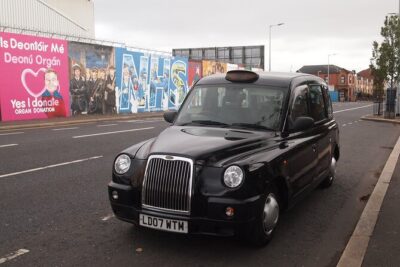
If you only do one political art and memorial tour in Belfast, I’d steer you toward this format: a private black taxi with a local driver guide. The reason is simple. The sites are meaningful, but they’re spread out. Walking would work, but it would also eat your time and your energy, and murals do not hold still while you hunt for parking.
This tour is also designed for quick understanding. You do not just stop, snap a photo, and move on. Your guide connects what you see to what happened around that spot, often using historical photos or video to set the scene. That matters because Belfast murals can look like street art from far away, but up close they’re closer to living memory.
Price-wise, $130.34 per person for about 1 hour 30 minutes to 2 hours can feel steep if you compare it to a standard group bus tour. But you’re paying for a private taxi ride, a local professional guide, admission ticket coverage at each stop, and the time you save between neighborhoods. If you want fewer logistics headaches and more actual seeing, the value equation usually tilts in your favor.
Getting your bearings at Divis and the Welcome Wall
Your tour starts in West Belfast around the Falls Road area, and the first real “click” moment happens at Divis and the Welcome Wall area. This is where the tour sets tone fast: you’re not studying murals in theory, you’re standing at the start of the story.
Stop 1: Divis
Here’s what you’ll focus on. You begin at the Welcome Wall on the Falls Road, the heart of West Belfast, where the area is described as Republican. Your guide shows you the wall art connected to the long-running Republican struggle for Irish freedom, and then you hit a landmark that adds a sharper edge to the history.
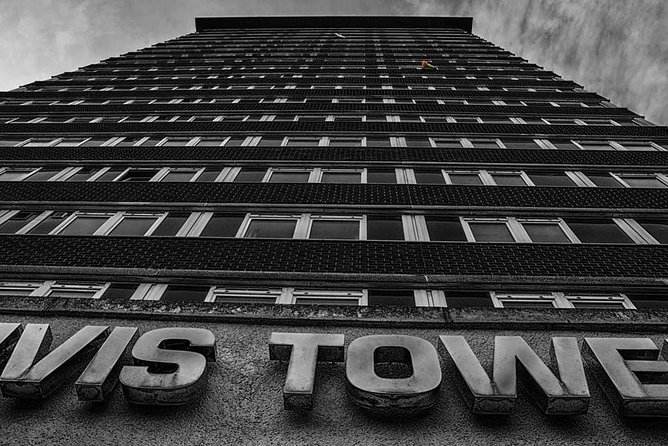
You’ll also see Divis Tower, which was used by the British Army as an observation tower and, during the Troubles, as a snipers nest. That detail isn’t included to shock you. It’s included so the murals make sense. Art like this often exists because people want the past to stay visible, especially when power and policing shaped what could be said out loud.
Each early stop is brief, around 10 minutes, so don’t plan to linger here with zero attention. Instead, treat it like orientation. Ask a question about what you’re seeing and why it’s painted here, right away.
International Mural Wall and Peace Gates, where global themes show up
Once you’re oriented, the tour moves to the International Mural Wall Divis Street. This is the kind of stop where you’ll immediately notice scale and repetition. The point is that murals do not just tell one neighborhood’s story. They also borrow symbols from far beyond Northern Ireland.
Still in Belfast? These are the next ones up:
- Titanic Belfast Entrance Ticket: Titanic Visitor Experience Including SS Nomadic
★ 4.5 · 3,698 reviews


Stop 2: International Mural Wall Divis Street
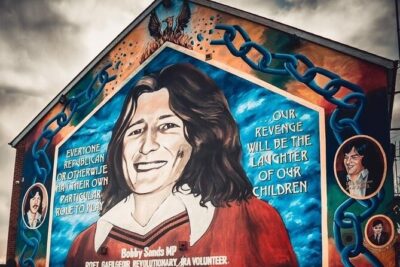
You’ll get time at the largest outdoor gallery of politically charged art in Western Europe. Expect your guide to point out famous pieces and names, including murals tied to the 1981 hunger strikers, and the revolutionary icon Bobby Sands.
Your guide should also explain the larger political backdrop, including the battle associated with Margaret Thatcher, sometimes called the Iron Lady in this context. Then the mural coverage expands outward to other conflict zones. The tour notes murals associated with Palestine/Israel, and more recent additions tied to the Black Lives Matter movement, including a mural of George Floyd.
Another big moment here is the Peace Gates. You’ll take a photo, and your guide explains why the gates matter in day-to-day life, not just history books. If you’ve ever wondered how “peace” works when neighborhoods are separated, this is where the answer starts.
Stop 7: another International Mural Wall Divis Street moment
The tour later returns to the International Wall area again. That might sound redundant, but it’s not a bad thing in this kind of art tour. It gives you a second chance to look closely, adjust what you’re focusing on, and reframe the meaning after you’ve seen the Peace Wall section.
Tip: if you’re serious about photos, decide in advance whether you want wide shots (to show the wall scale) or tight portraits (to capture faces and text). Spend your minutes wisely, because 10 minutes goes fast.
The Peace Wall and Peace Wall Belfast, separation made visible
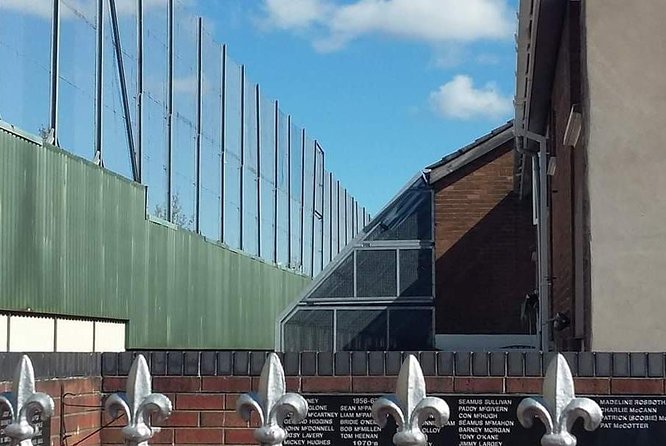
At some point you stop being a tourist and start being a witness. The Peace Wall stops do that. They turn “murals about history” into “structures that affect today.”
Stop 3: Peace Wall
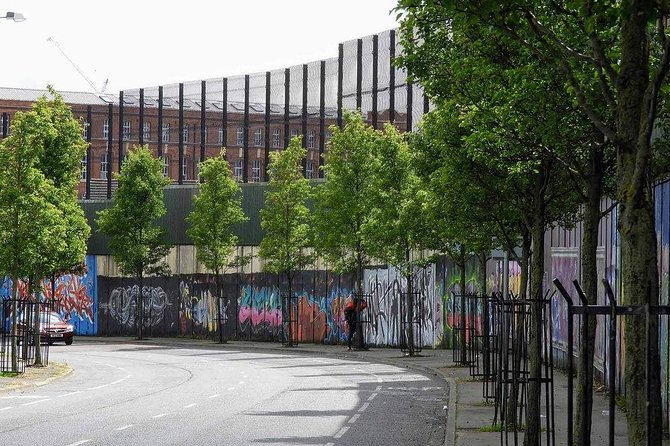
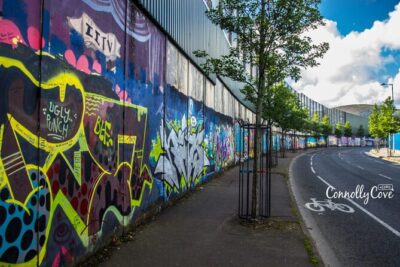
You’ll visit the peace lines or peace walls, described as separation barriers that separate predominantly Republican or Nationalist Catholic neighborhoods from predominantly Loyalist or Unionist Protestant neighborhoods. Your guide explains the purpose as minimizing inter-communal violence, and you learn that these barriers vary from a few hundred yards up to over three miles, with some reaching heights around 25 feet (about 8 meters).
You might also hear how some peace walls include gates, sometimes staffed by police, allowing passage during daylight but closing at night. The key idea is that this is not only an image. It’s also a schedule, a routine, and a physical boundary that people live beside.
Stop 5: Peace Wall Belfast, signed messages
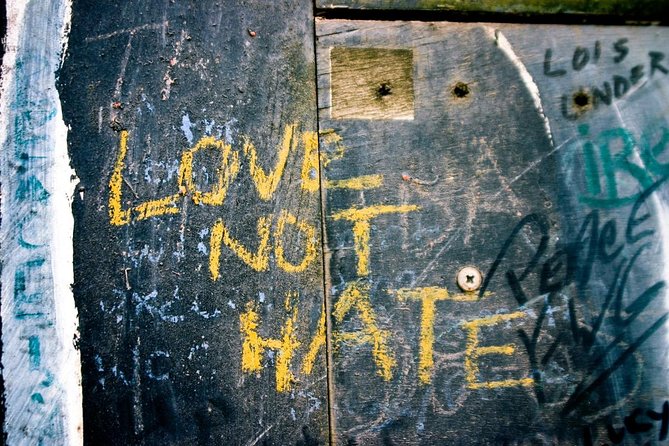
Later, you’ll visit a larger section of the Peace Wall where Bill Clinton and the Dalai Lama signed it. You can write your name and leave a message, and you’ll have time for photos meant for your future self, the kind you’ll use to show friends how Belfast keeps memory visible.
One practical note: these areas can feel exposed, and sometimes emotions run high. If you’re sensitive to tense topics, prepare yourself before you arrive. It helps to treat this stop like a memorial site: quiet attention beats loud commentary.
Shankill Road: loyalist murals, bonfires, and the Bayardo Bar story
Then you shift to the Shankill side. This is where the tour actively pushes balance, showing murals and memorials tied to Loyalist and Unionist history, rather than only focusing on one lane of Belfast’s conflict.
Stop 4: Shankill Road murals and memorials
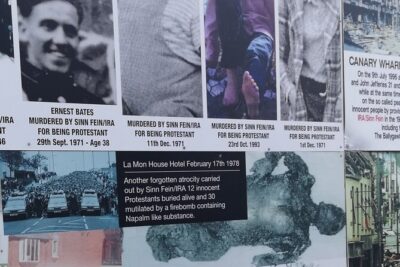
You’ll see the murals from the Loyalist Shankill Road, with specific mentions like Stevie Top Gun, plus the flags that adorn the area. The guide also explains about King Billy the bonfires and the House of Orange, and how Loyalists played a part during the Troubles.
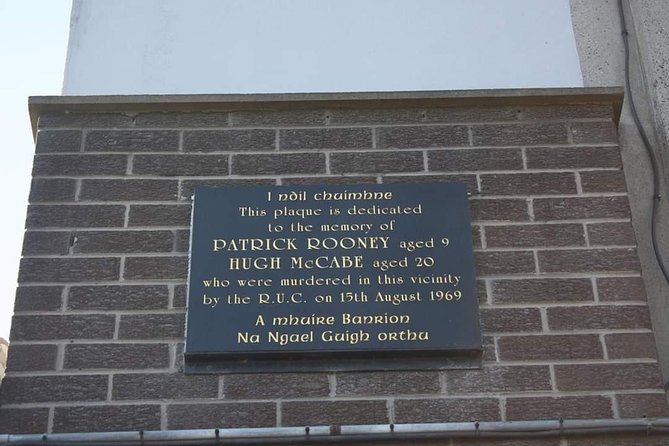
This stop includes a reference to the Bayardo Bar Memorial. The location also comes back later in the tour, so it’s worth paying attention here. The story behind the memorial matters because you’re seeing how each community remembers loss and identity in different visual languages.
Stop 10: Shankill Road Memorial Garden
You’ll return to a Loyalist Memorial Garden at the site of the former Bayardo Bar. This is a calmer stop than a pure mural wall, but it’s still emotionally direct. These garden spaces are where you slow down without anyone telling you to.
If you’re taking photos, try to keep them respectful. You do not need to capture everything. A few good images often mean more than 40 quick shots.
Clonard Martyrs Memorial Garden, Bobby Sands mural, and remembrance spaces
One reason this tour feels complete is that it doesn’t end at the walls. It includes memorial gardens and named sites tied to those who were killed or remembered.
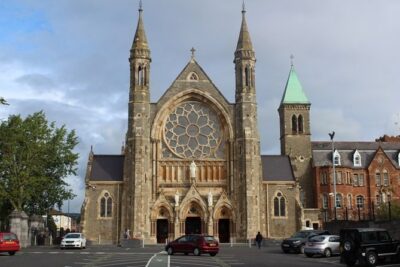
Stop 6: Clonard Martyrs Memorial Garden
You visit the Clonard Martyrs Memorial Garden, which the tour describes as an Irish Republican memorial garden. Expect a short guided explanation in a space designed for reflection. This is the kind of stop where you might feel your guide’s pacing shift, because the story is not about the paint, it’s about the people.
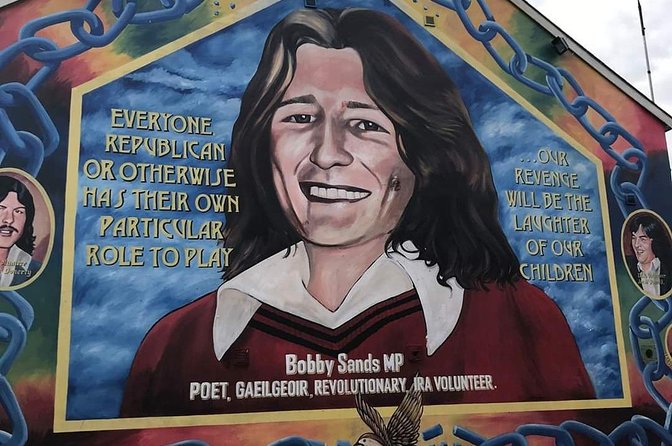
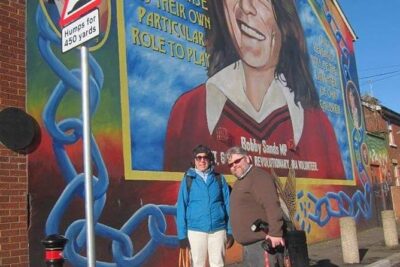
Stop 8: Bobby Sands Mural
Next comes the World Famous Falls Road and the Bobby Sands mural, tied to the Political Wing of the IRA at the office of Sinn Féin. The tour gives you 15 minutes here, which usually feels like the longest stretch in a mural-heavy route.
If you want to get the most out of it, ask your guide what details to look for in the mural itself. Political murals often hide symbols in plain sight, and a good guide will point you toward what to notice.
Stop 9: Garden of Remembrance
You then visit the IRA D Company Garden of Remembrance on the Falls Road, including the names of IRA Volunteers killed in action. Again, this is a stop that works best when you treat it like a memorial. Read a few names. Don’t try to memorize them all in 10 minutes. Just let the names land.
Stop 11: 56 Sherbrook Cl, murals of armed loyalist paramilitaries
The tour wraps with a photo stop at 56 Sherbrook Cl to capture murals of armed loyalist paramilitaries. That final stop is quick, around 5 minutes, so it’s more about getting one last strong image than a deep reading.
I like how this ending works. It leaves you with a visual “summary” of what the tour has been about, identity, remembrance, and the way art keeps conflict in view.
How long it really takes, plus photo and pacing tips
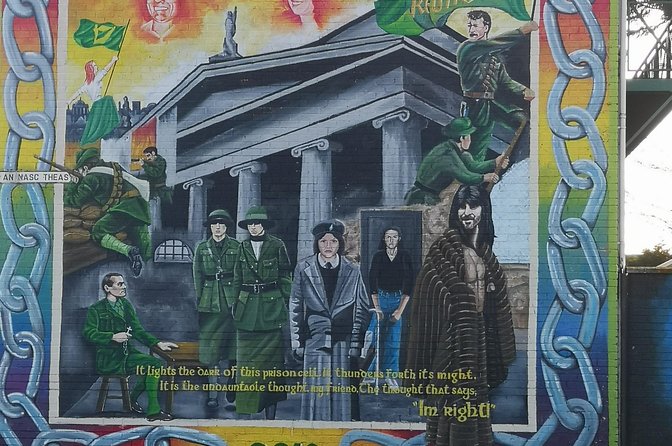
The tour runs about 1 hour 30 minutes to 2 hours. That’s short enough that you might think you’ll miss details, but the trade-off is focus. You’re not wandering for long, and every stop is timed.
Your guide will run a loop across key mural areas and separation structures, with stops typically around 5 to 15 minutes, depending on the site. Admission tickets are included for the stops, which is useful because it cuts down on “time sink” logistics.
What to bring
- Comfortable shoes. You’ll stand and walk short distances between stops.
- A charged phone or camera. Peace Walls and mural walls reward wide shots, but faces and text also need close-ups.
- A willingness to ask questions. In the reviews, guides were praised for answering questions and explaining background from both sides.
A small mindset shift that helps
This is a tour about political identity and conflict memory. If you go in thinking it’s only about art, you may miss why people treat these walls as sacred or painful. If you go in thinking it’s only about violence, you may miss how communities express pride, resilience, and grief through paint and memorial gardens.
A good guide like Paula or Barry is the difference between confusion and clarity. Look for that calm, organized explanation, the kind that helps you connect the visual to the human story.
Who this Belfast black taxi tour fits best
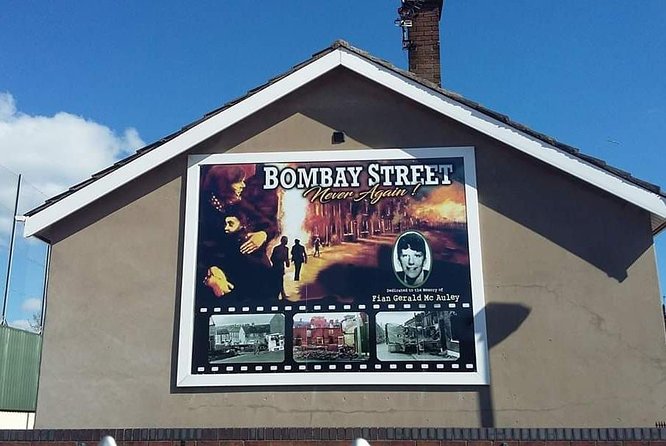
This tour is a strong match if you:
- Want a focused Belfast experience with minimal walking time between neighborhoods
- Care about understanding the Troubles through murals, memorial gardens, and Peace Wall sites
- Like tours where your guide answers your questions and keeps the tone respectful
It may not be ideal if you prefer purely upbeat sightseeing, or if you know you struggle with emotionally heavy topics. The murals cover both conflict and remembrance, and the Peace Wall is a real, lived boundary.
The tour is also capped at a maximum of 18 people per booking, but it is private for your group, so you should get a more manageable experience than a large bus. Kids must be accompanied by an adult, and service animals are allowed. Most travelers can participate.
Should you book the Official World Famous Belfast Black Taxi Tour?
I think it’s worth booking if you want one high-impact, guided route that connects Belfast’s murals to real context, fast. The combination of a private black taxi, well-timed stops, and a guide who can explain both Republican and Loyalist symbolism makes it more than a photo walk.
Before you click book, read the tone of what you’re signing up for. This is not a casual street-art tour. You’re seeing how people remember, grieve, argue, and hope, all in one concentrated loop. If that’s your kind of travel, you’ll leave with a clearer Belfast, and a set of images that actually mean something.
If you’d like, tell me your travel dates and where you’re staying (or if you’re arriving via cruise). I can help you pick the best start time so you’re not rushed.
FAQ
How long is the Official World Famous Belfast Black Taxi Tour?
The tour lasts about 1 hour 30 minutes to 2 hours.
What is the price per person?
The price is $130.34 per person.
Are hotel or apartment pickups included?
Yes, pickup and drop-off in central Belfast are offered for free if requested.
Does the tour include entrance fees?
Admission tickets are included for the stops listed on the tour.
What time does the tour start?
Start times are 9am, 11am, 1pm, 3pm, and 5pm.
Is the tour private?
Yes. It is a private tour, and only your group will participate.
Can I cancel for free?
Yes. You can cancel up to 24 hours in advance for a full refund.
Put up recently for Belfast
- Game of thrones -Giants causeway luxury tour 9 hrs 25 locations★ 5.0 · 1 review
- Private One-way Transfer From Belfast Int. Airport to Belfast★ 5.0 · 1 review
- Enchanted Shores: Belfast to Giant’s Causeway★ 5.0 · 1 review
- CO2-Offset |Departure Belfast to BHD or BFS Airport by Luxury Van★ 5.0 · 1 review
- Belfast’s Iconic Sites: A Self-Guided Audio Tour★ 5.0 · 1 review
- SAY NOTHING 1 hr express taxi tour – The Troubles living history★ 5.0 · 1 review
Troubles Taxi Tours, compared.
Browse the lists this tour appears in