
Review · WALKING TOURS
Adult Foraging Walk & Bushcraft Cookery Course for Beginners
Foraging gets real fast. This 3.5-hour beginner course in Northern Ireland turns a walk in the woods into practical wild food skills led by David, with hands-on bushcraft cooking built in. You get guided plant learning, then you put what you find to work at the campfire.
I especially liked the mix of classroom basics plus doing the tasks yourself, like making simple tools and cooking over fire. The main thing to consider is time, it is only a half-day, so you will leave with confidence for a first attempt, not a full foraging curriculum.
In This Review
- Key takeaways
- Where the course starts at BallyBurren Outdoor Escapes
- Your 3.5-hour foraging and bushcraft flow
- 1) Meet at the car park, then head to the forest school site
- 2) A plant identification primer before you forage
- 3) Forage walk, guided and focused
- 4) Food preparation, then cooking over fire
- 5) Tasting out-of-season produce
- 6) Return back to the car park
- Plant ID that actually sticks (and why you should care)
- Ethical and sustainable foraging: the rules behind the fun
- Open-fire cooking: turning foraged finds into real meals
- Hands-on bushcraft extras: whittling spoons, mallets, and whistles
- The guide makes or breaks it, and David is the anchor
- Price and value: what $88.24 buys you
- Who this course suits best in Northern Ireland
- Should you book the Beginner Foraging Walk & Bushcraft Cookery Course?
- FAQ
- Where is the meeting point for the foraging and bushcraft course?
- How long is the course?
- What is the price per person?
- What language is the course offered in?
- How many people are in the group?
- What happens during the session?
- Are service animals allowed?
- Do I receive a ticket on my phone?
- When will I receive confirmation of my booking?
- What is the cancellation policy?
Key takeaways
- Small group of up to 8 people, so you are not lost in the shuffle.
- David leads the session, and the vibe is patient, helpful, and hands-on.
- You learn plant ID in plain language, then taste what you have found.
- Bushcraft is part of the food, including fire-making and open-fire cooking.
- Meals are built around what you forage, with examples like nettle soup and pizzas.
- You also taste out-of-season produce, which helps you think beyond just what is growing right now.
More Walking Tours in Northern Ireland
- A History of Terror – Belfast City Centre Walking Tour
★ 5.0 · 2,883 reviews - Private Guided Walking Tour in Derry City
★ 5.0 · 635 reviews - Derry City: The troubles Bogside walking tour
★ 5.0 · 503 reviews - Belfast Political Tour-Conflicting Stories Walking Tour
★ 4.5 · 459 reviews
Where the course starts at BallyBurren Outdoor Escapes
This experience is based at BallyBurren Outdoor Escapes, start and finish at 143 Dromore Rd, Ballynahinch (BT24 8HZ), UK. The session begins at the car park, then you walk to the forest school site where the practical learning kicks off.
What I like about this setup is that it keeps things grounded. You are not driving between stops all day. You start together, you move together, and the timing stays tight enough that you finish with food you helped make.
The setting is also part of the value. One of the best parts is that you are learning outdoors, surrounded by wooded areas, flower-lined paths, plus glimpses like alpaca fields and ponds. It helps the whole day feel like an experience, not a lecture with a short walk afterward.
Your 3.5-hour foraging and bushcraft flow
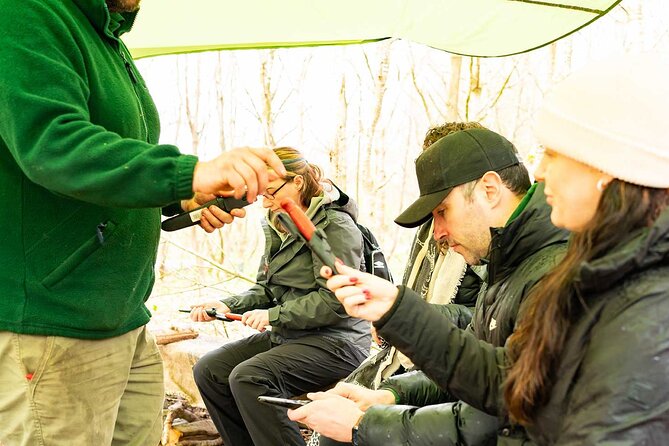
The course runs about 3 hours 30 minutes. That is the sweet spot for beginners, long enough to learn real basics, short enough to stay fun and not too tiring.
Here is how the time typically unfolds:
1) Meet at the car park, then head to the forest school site
You meet at the start point at BallyBurren Outdoor Escapes. From there, the group walks to the forest school site, where you get oriented and ready for plant work and outdoor cooking tasks.
Why this matters: the walk is not wasted. It sets you in “outdoor mode,” so when plant ID starts, you are already paying attention to details around you.
2) A plant identification primer before you forage
Before you collect anything, you get a brief intro on plant identification. This is where beginners often feel nervous, because people worry they will confuse look-alikes.
The best approach here is simple: take it slow, focus on the key traits the guide points out, and do not rush the name. This course is built for that exact moment, you are learning the process step by step, not being tested.
Still in Northern Ireland? These are the next ones up:

3) Forage walk, guided and focused
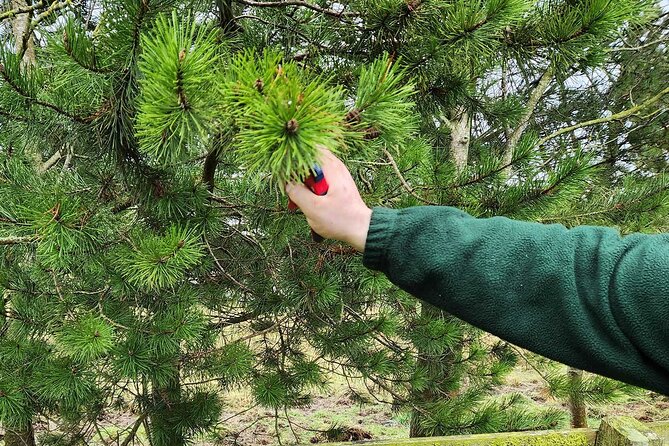
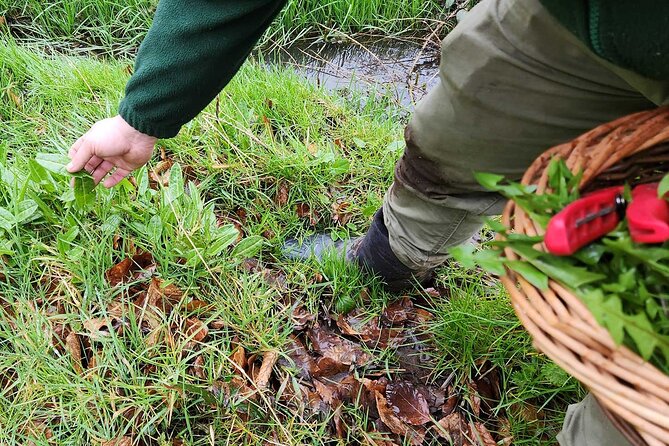
Next comes the forage walk. This is where you practice spotting commonly foraged plants, and you hear about what to look for, seasonal availability, and how things can be used in cooking.
The practical win is safety and ethics. The course emphasizes responsible, eco-friendly foraging, which is what you want to hear when you are new. You learn how to take from nature without turning the outdoors into a free-for-all.
4) Food preparation, then cooking over fire
After foraging, the day shifts into kitchen mode outdoors. You go into food preparation, then you cook over an open fire. This is not just “here is your food.” It is hands-on.
In different sessions, that hands-on cooking has included items like nettle soup, pizzas, and sweet banana-based desserts. The real payoff is using what you foraged. That makes each ingredient feel personal, and you remember it later.
5) Tasting out-of-season produce
You also taste out of season produce. Even if your foraging “catch” is limited by what is growing today, this helps you connect what you learn to the reality of the calendar.
For beginners, this is a smart move. It keeps you from thinking foraging only happens in one short window, and it nudges you toward learning how wild food changes over time.
6) Return back to the car park
When the meal and tastings are done, you head back to the meeting point. It keeps the day contained and helps you plan the rest of your evening without guessing.
Plant ID that actually sticks (and why you should care)
Most people who try foraging for the first time think it is about finding stuff. It is not. It is about identifying correctly, then using plants safely and responsibly.
What I like in a beginner setup like this is that the plant ID happens before you collect. You get a “what to notice” framework, then you apply it outside on the forage walk. That ordering helps your brain connect the lesson to a real plant, not a photo from a book.
From what you will practice, you should expect to cover things like:
- core traits used in identification
- typical seasonal availability
- what plants can be used for in culinary applications
One more thing, the guide is David, and the feedback you can rely on is that he is patient and informative. That matters with plant work. People learn best when they can ask basic questions without feeling rushed.
Ethical and sustainable foraging: the rules behind the fun
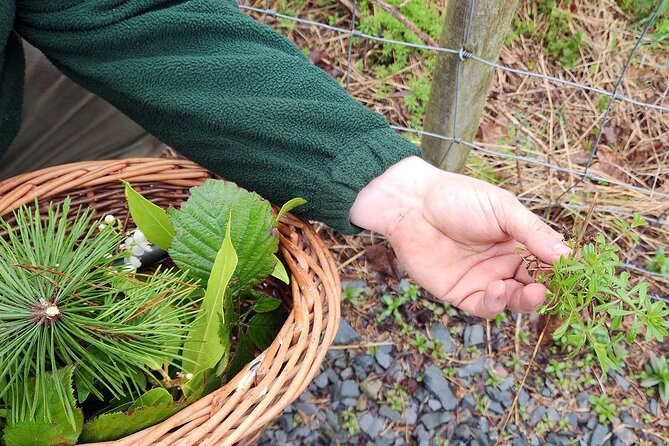
The course specifically emphasizes ethical practices and safe, sustainable foraging. Even without getting lost in details, this idea is simple: you want to harvest in a way that keeps plants healthy and protects the ecosystem.
As you learn, keep these priorities in mind:
- Take only what you will use.
- Pay attention to how much is in an area, and do not strip patches.
- Respect the land, including what you do not harvest.
The reason this is valuable for you is obvious. Foraging is not a one-time novelty. You want habits that let you return in the future, and you want a lower impact on the place you came to enjoy.
Open-fire cooking: turning foraged finds into real meals
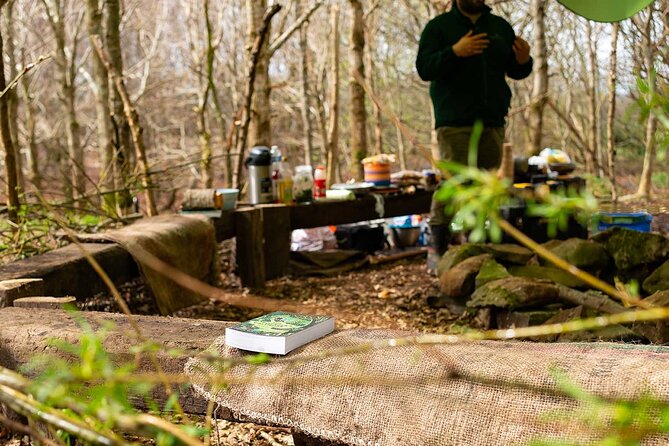
This is the part that makes the course feel different from a standard nature walk.
You do food preparation, then you cook over an open fire using ingredients from the foraging section. That step, cooking, is where lots of “theory” becomes practical knowledge. You start to learn how flavors change when something is heated, and you see how different plants behave in soups, pizzas, and desserts.
Meals highlighted in the experience include:
- nettle soup
- pizzas
- banana desserts (including chocolate banana)
Even if your own foraging haul is small, the cooking component helps you understand the purpose of each plant you are learning. It also gives you something memorable to take home, beyond photos.
And it is not just cooking. The fire-making angle is part of the bushcraft learning. Learning how to make fire is useful long after you leave Northern Ireland, even if you never “survive” anything.
Hands-on bushcraft extras: whittling spoons, mallets, and whistles
A big reason this course earns strong recommendations is that it stays active. It is not only about foraging.
You can expect bushcraft activities such as:
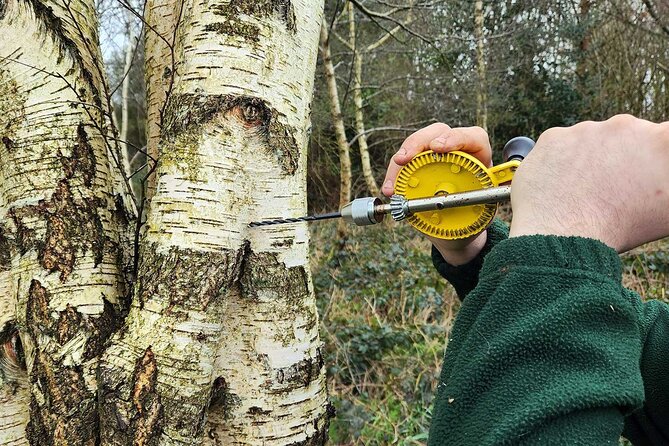
- making simple mallets
- whittling your own wooden spoons
- making a survival whistle
There is also a chance to make a small keepsake from gathered flowers, which adds a thoughtful touch. The group stays busy, and you end up with take-home items you made with your own hands, not just a bag of food you ate on-site.
If you are traveling with someone who likes doing rather than watching, this is a huge plus. It turns the session into a shared project.
The guide makes or breaks it, and David is the anchor
Across the experience, David comes up as a key reason people feel happy after the course. The common thread is that he is informative, helpful, and patient, and that the day feels interactive.
That interaction matters, especially when you are learning something new and you might not know what questions to ask yet. A good guide helps you connect what you see to what it means, then checks that you are doing it safely.
There is also feedback that David took special care with a son who has autism. While you should not assume every group will handle every need the same way, it is a strong sign that the tone can be supportive and adaptable.
Price and value: what $88.24 buys you
The cost is listed as $88.24 per person, and at this price point the question is not “is it cheap.” The question is “what am I getting?”
For your money, you get:
- a structured beginner foraging session with plant identification
- a guided forage walk focused on safe, ethical harvesting
- outdoor food preparation and open-fire cooking
- tastings, including out-of-season produce
- hands-on bushcraft activities like whittling spoons and making whistles
- a small group size, max 8, which usually means more attention
In other words, you are paying for guidance plus a full half-day experience, not just access to a field. If you like practical learning and you want to eat something you helped create, this is a solid value.
If you only want a calm nature stroll with zero participation, you might feel like the day is a bit too hands-on. But for beginners who want to do, this price makes sense.
Who this course suits best in Northern Ireland
This course is made for beginners. If you have never identified wild plants before, it is the right level.
It also fits well if you like:
- hands-on learning
- outdoor cooking
- family day activities that are not just a playground
- learning in a small group setting, where you can ask questions
One practical note: it is a walk and an outdoor session. Wear shoes you trust, and dress for Northern Ireland weather, since conditions can change quickly.
The experience is in English, so it is easy to follow even if your botany vocabulary is zero.
Also, service animals are allowed. If that applies to your plans, you can feel comfortable booking with that in mind.
Should you book the Beginner Foraging Walk & Bushcraft Cookery Course?
Book it if you want more than “wild plants spotted from a distance.” This is a learn, forage, cook, and make type of half-day. You leave with new skills, plus the confidence to approach foraging responsibly and safely.
Skip it if you want a purely leisurely walk, or if you dislike active outdoor tasks like whittling and fire-making. With only around 3.5 hours, you should also understand that you are getting a strong introduction, not months of practice.
If you want a memorable Northern Ireland nature experience with real payoff in skills and food, this is an easy yes.
FAQ
Where is the meeting point for the foraging and bushcraft course?
You start at BallyBurren Outdoor Escapes, 143 Dromore Rd, Ballynahinch BT24 8HZ, UK, and the activity ends back at the meeting point.
How long is the course?
The duration is approximately 3 hours 30 minutes.
What is the price per person?
The price is $88.24 per person.
What language is the course offered in?
The course is offered in English.
How many people are in the group?
The activity has a maximum of 8 travelers.
What happens during the session?
You meet, walk to the forest school site, get a brief introduction to plant identification, go on a foraging walk, do food preparation, taste out of season produce, and then return to the car park.
Are service animals allowed?
Yes, service animals are allowed.
Do I receive a ticket on my phone?
Yes, it includes a mobile ticket.
When will I receive confirmation of my booking?
Confirmation will be received at the time of booking.
What is the cancellation policy?
You can cancel for free up to 24 hours in advance for a full refund. If you cancel less than 24 hours before the start time, you will not get a refund. Any changes made less than 24 hours before the start time are not accepted.
Put up recently for Northern Ireland
- Belfast: Paddle & Play Kayak Experience★ 5.0 · 1 review
- Kayak Adventure on the Stunning Castlewellan Lake★ 5.0 · 1 review
- Scenic Restorative Yoga Class County Down in Ballynahinch★ 5.0 · 1 review
- Ballycastle Traditional Music Trail★ 5.0 · 4 reviews
- Gorta Swataghs Famine Story General Entry★ 5.0 · 6 reviews
- Unforgettable beauty of Northern Ireland from an E-Bike★ 5.0 · 9 reviews
Walking Tours, compared.

A History of Terror – Belfast City Centre Walking Tour
Read our review →

Belfast Political Tour-Conflicting Stories Walking Tour
Read our review →
Belfast Eclectic Walking City Center Experience, The Marti Way
Read our review →
Browse the lists this tour appears in