
Review · TROUBLES TAXI TOURS
World Famous Belfast City Centre Black Cab/Taxi Tour 2 Hours
Belfast’s walls tell a story you can’t unsee. This black cab tour is interesting because it pairs mural streets with a guide who brings real, lived context, including how families watched events unfold. I also like the private black cab setup, because hotel or port pickup means you spend your energy looking out the window, not figuring out routes. The one drawback to think about is that the material can be emotional and confrontational, so it helps to go in with a calm mindset and a willingness to listen.
In the same ride, you’ll visit sites tied to the Troubles and the years after, including Divis and the Falls Road area, plus the Shankill Road and Belfast’s famous peace wall. The best part is how the stops connect, you’re not just seeing street art, you’re hearing several ways people understand the same era, depending on the guide.
In This Review
- Key things that make this tour worth your time
- Your 2 hour black cab window into Belfast’s divided city blocks
- Price and what you actually get for $111.11 per person
- Divis flats and the narrow streets near the Falls Road
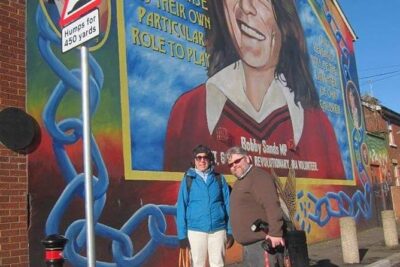
- The Bobby Sands mural and why the Falls Road is more than street art
- An 1800s hanging gaol and the Good Friday turning point
- International murals on Divis Street, and the global causes that show up locally
- Shankill Road, loyalism, and why 12th July is not just a date
- Clonard Monastery, gothic craft, and secret peace talks
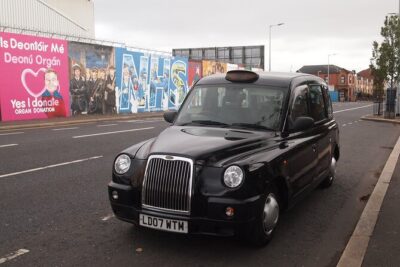
- Peace walls that stretch across the city, and the famous messages for peace
- What guides tend to do best, and why personal stories are such a big deal
- When to book, and how to plan your morning for better photos
- Should you book this Belfast Troubles black cab tour?
- FAQ
- How long is the Belfast City Centre black cab tour?
- What does the tour cost?
- Is this a private tour?
- Does the tour include pickup and drop-off?
- What language is the tour in?
- Is there WiFi during the ride?
- Which stops are included during the tour?
- What time does the tour operate each day?
- Are children allowed?
Key things that make this tour worth your time
- Private black cab comfort with WiFi onboard, plus air conditioned driving for a smoother 2 hours
- Built around the city’s divided geography, so the route helps you understand why neighborhoods feel so different
- Murals and peace walls as the main attraction, not a sideshow
- Short stops you can actually absorb, roughly 10 to 30 minutes each, with time for photos
- Local guide perspective matters, and you may hear personal stories and local context tied to the Troubles
- Hotel or port pickup and drop-off, which is a huge value if you are short on time in Belfast
Other black taxi runs through the Troubles sites:
- Cab Tours Belfast Famous Black Taxi Tours
★ 5.0 · 3,633 reviews - Private Black Taxi Belfast City Tour
★ 5.0 · 2,188 reviews - Belfast’s Political Mural Taxi Tour
★ 5.0 · 1,180 reviews - Belfast black taxi tours
★ 5.0 · 1,166 reviews
Your 2 hour black cab window into Belfast’s divided city blocks
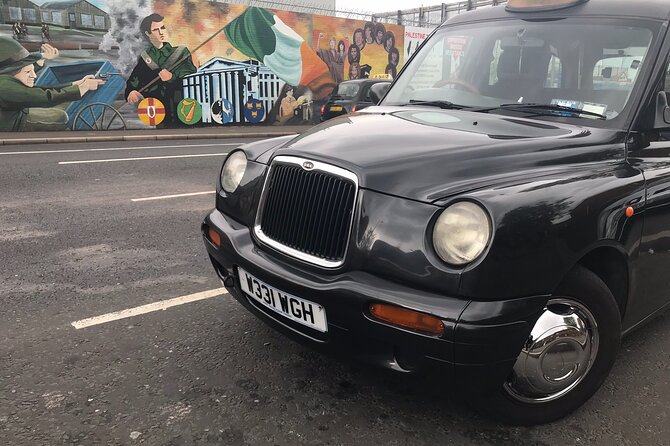
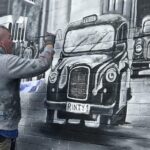
This is the kind of Belfast tour where the vehicle does more than transport you. The private black cab format keeps things focused, with just your group and a guide, and that matters in a topic like the Troubles. You’re not stuck listening to a bus of strangers. You can ask questions, and your guide can steer the conversation based on what your group wants to understand.
Comfort is also practical here. The tour is described as air conditioned with WiFi onboard, which is handy if Belfast weather turns. And since the route is done by vehicle, you can cover a lot without feeling like you’ve done a marathon walking tour.
You should know one more thing up front. This is not a light sightseeing lap. The itinerary hits locations tied to military presence, paramilitary groups, imprisonment, and the long aftermath. The best guides make that weight feel human, but it still can land hard.
Price and what you actually get for $111.11 per person
At $111.11 per person for about 2 hours, the value comes from the combination of private guiding and logistics. Many short tours try to squeeze in history with a group format. Here, you’re paying for a dedicated guide plus transportation, with WiFi onboard, and pickup plus drop-off.
That pickup detail is especially important if you are staying outside the center or arriving via port. The tour is positioned with hotel or port pickup and drop-off, so you get convenience built into the cost, not as an optional extra. Still, I’d treat ports as a special case and confirm any port related charges directly at booking, because some guests have mentioned surprise add ons at the port.
Divis flats and the narrow streets near the Falls Road
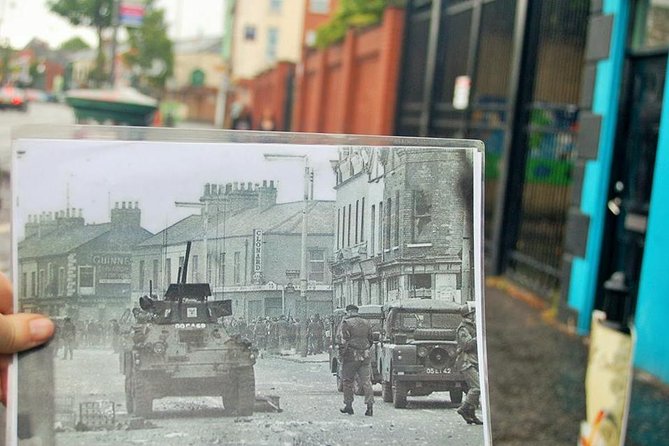
The first stop is Divis, with the Divis flats area described as a British army base. The top two floors were used when they occupied the area starting in 1969, and the presence lasted over 25 years. That timeline matters, because it explains why the area is still talked about as part of the long segregation period, not just a brief conflict.
You’ll also go through narrow streets tied to the storytelling around this area, including references you may recognize from films such as The Name of The Father. For me, that’s a useful reminder that media made the Troubles globally famous, but the lived setting is very local, down to specific streets and the way people move through them.
Time at this stop is listed as about 15 minutes. That’s a short window, so the guide’s narration is the point. If your group likes to linger and ask lots of questions, you’ll want to be ready to do that quickly or ask the guide to spend a little extra time here.
The Bobby Sands mural and why the Falls Road is more than street art
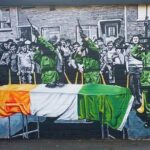
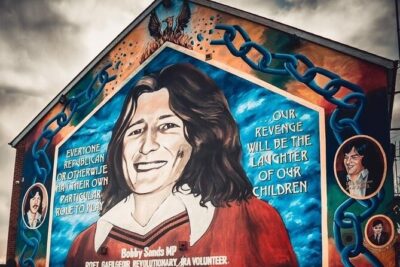
Next comes the Bobby Sands Mural on the world famous Falls Road, described as the birth place of the Provisional Irish Republican Army. You’re also told the murals are painted by locals and explain the plight of the Catholic community. That is the big idea here: murals are not just decoration. They are a public record, a message system, and a way for communities to keep memories visible.
The stop also includes a wide historical frame, with the tour describing about 800 years of Irish history through the lens of the Troubles. That can feel like a lot for one stop, but the guide’s job is to connect the past to what you see on the street. This is where many visitors say the tour clicks, because the murals make the history look and sound like something real, not only something in headlines.
Expect about 30 minutes here. That tends to be enough time to take photos, absorb the narration, and get your head around why the Falls Road layout and the mural program feel tightly linked to identity and politics.
About two hours, start to finish:
An 1800s hanging gaol and the Good Friday turning point
One stop is described as a built in the 1800s hanging gaol. The key detail is what it held: prisoners tied to famous groups including the IRA, UVF, UFF, and INLA, continuing up to the 1990s. After that, the prison closed when prisoners were released due to the Good Friday agreement.
This is one of those stops where the guide’s tone can make a huge difference. A good guide helps you understand that the agreement was not just a headline event. It changed daily reality for people on both sides, and it reshaped the city’s emotional map.
Time at this gaol stop is not clearly listed in the information you provided, but since the overall tour runs about 2 hours across multiple locations, I’d expect it to be brief. Come with the mindset of a moving snapshot, not a museum visit, especially since admission tickets are noted as not included.
International murals on Divis Street, and the global causes that show up locally
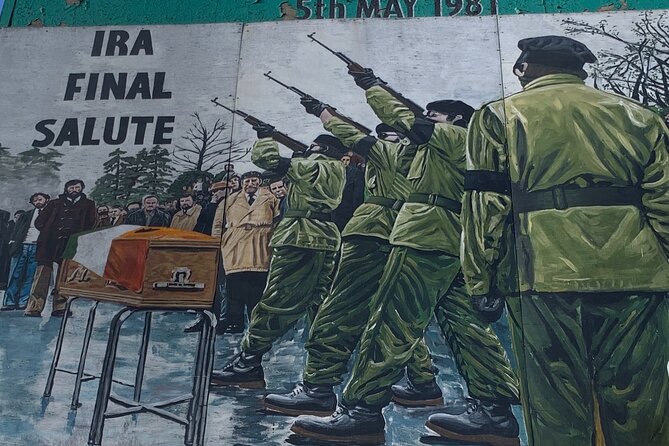
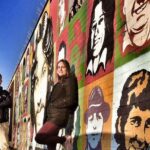
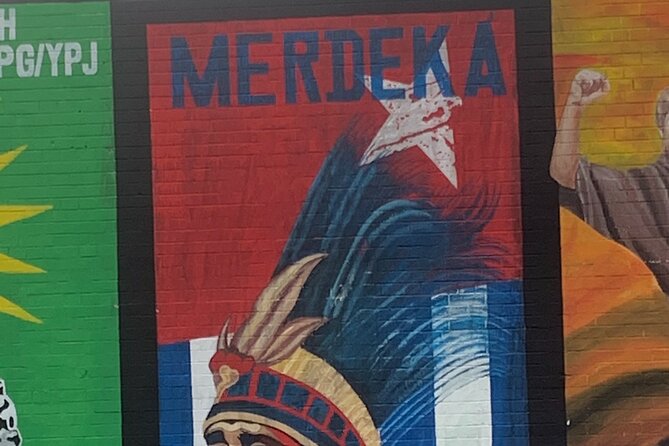
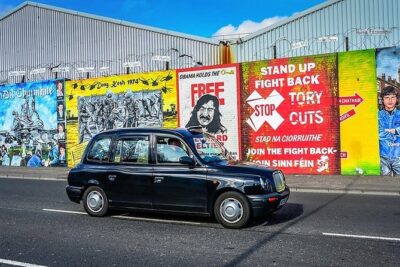
Then you head to the International Mural Wall on Divis Street, described as changing murals monthly. The tour says there are over 40 murals and that you may see themes like Palestine, Cuba, and the Kurdish issue. What makes this stop more than a quick photo stop is the stated connection to Republicans. The guide should connect those global images back to local politics and local networks.
This stop is listed as about 15 minutes. The short time is a clue: the value is in how your guide interprets the murals. If you’ve never seen mural walls treated as living political pages, this is a great place to learn that way of looking.
I also love that the mural wall is described as always changing. It suggests you’re not just seeing frozen history. You’re seeing how current conflicts and solidarity narratives keep rewriting Belfast’s street-level conversation.
Shankill Road, loyalism, and why 12th July is not just a date
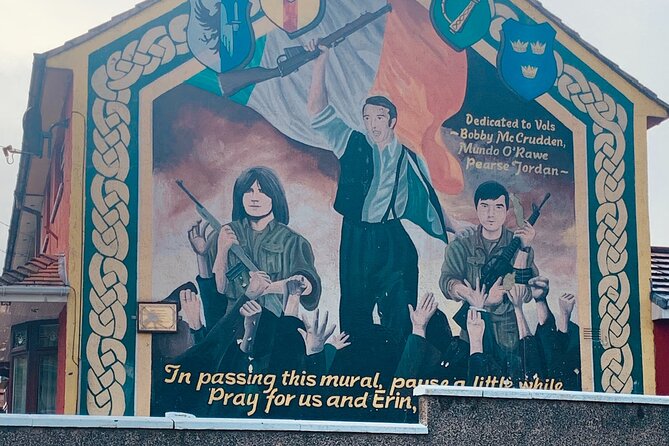
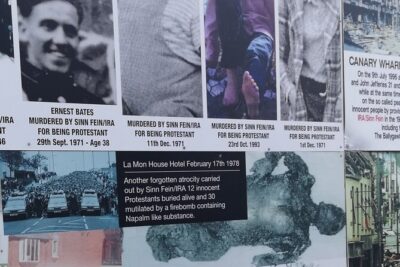
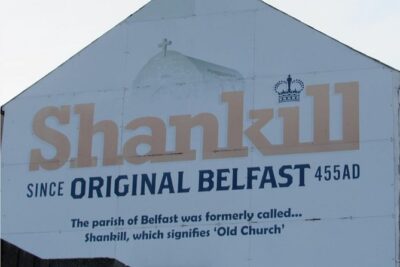
On the Shankill Road, the tour frames the area as the heart of loyalism and the birth place of the UDA and UVF. You’ll also hear about murals and bonfires for 12th July, along with the tour’s focus on the plight of Protestant people and their fight against the IRA.
This stop is listed as about 20 minutes. That extra time compared with other stops makes sense. Shankill Road symbolism tends to be dense, and the guide needs a little breathing room to explain what you’re seeing without rushing past the meaning.
If you are coming with only one storyline from news coverage, this is where the tour helps you broaden your understanding. One of the most praised features of this experience is that guides often share a balanced perspective grounded in their own experience. That balance is important here, because the same era can be interpreted very differently depending on community.
Clonard Monastery, gothic craft, and secret peace talks
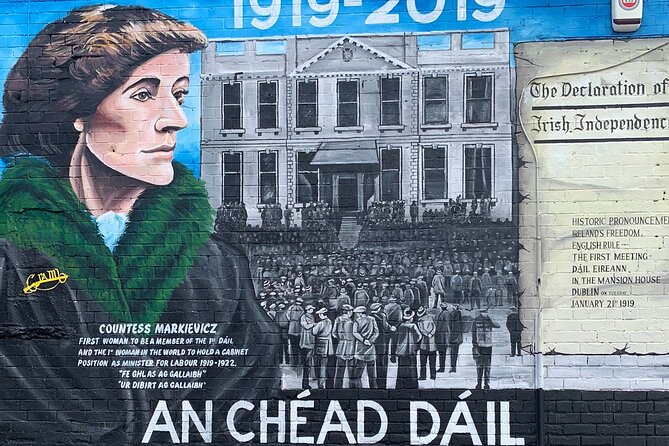
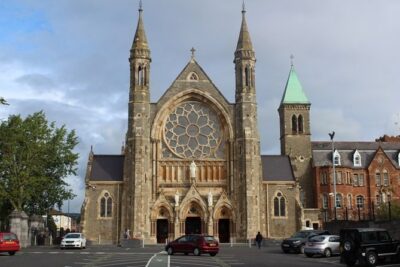
Clonard Monastery is described as a beautiful gothic monastery created by Italian craftsmen and locals. That architectural detail is a nice reset. It reminds you Belfast is not only conflict zones and painted walls, it’s also places where people built institutions meant to last.
The story attached to the monastery is especially compelling: Father Alex Reid hosted secret peace talks between Gerry Adams and John Hume. Even if you know those names from political headlines, hearing them tied to a specific building helps the history feel anchored.
Time here is listed as about 10 minutes. Again, think of it as a guided stop that sets context, not a long visit. Still, it is often a memorable contrast point in a tour like this, moving from wall messages to a physical setting tied to dialogue.
Peace walls that stretch across the city, and the famous messages for peace
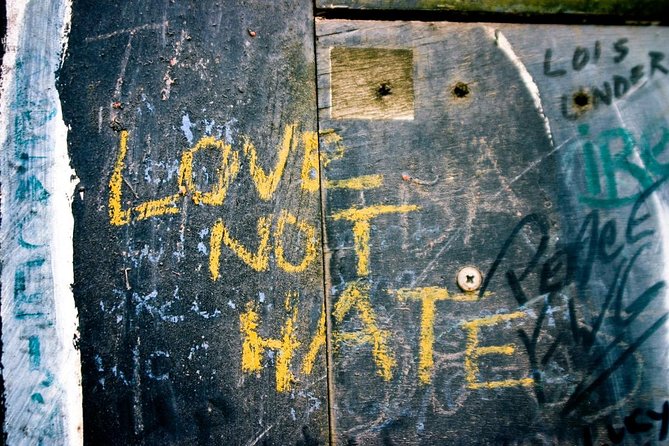
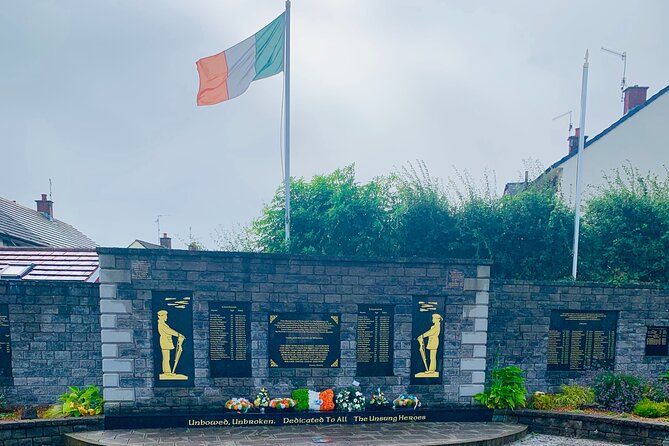
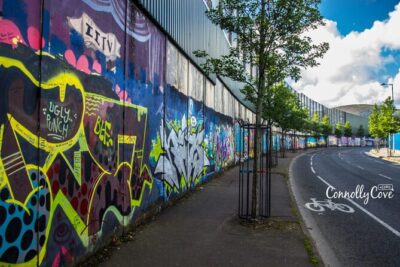
The tour ends at the peace wall, described as stretching throughout the changing city. It notes the walls were built in 1969 to keep loyalist and Republican communities apart. That is the operational reason for the walls, and the tour also gives you the emotional reason, the long visible reminder that separation became policy and habit.
One striking detail is that the tour says President Clinton, Tiger Woods, Morgan Freeman, and others have left quotes for peace on the wall. Whether you read those quotes as symbolic gestures or as public diplomacy, they add another layer to how Belfast’s story traveled far beyond the city limits.
Time at this stop is about 15 minutes. That’s enough for the guide’s explanation plus some time to take photos and read visible messages. For practical planning, it also helps you decide what you want to remember most, because the tour finishes soon after.
What guides tend to do best, and why personal stories are such a big deal
Across the guides named in the tour experiences, a pattern shows up: the most appreciated guides bring both history and personal memory. People often highlight that the guide makes the story visceral, eye opening, and emotional at times. Names that show up include Ricky, Brendan, John R., Patrick, Sean Mc., Kevin, George, Jerry, Davy, and Jim, along with David and others.
You’ll also notice something else in how people describe the best tours: they never feel rushed at the stops. You should expect time to take photos, and some guides are described as letting you get out of the cab when it helps. That matters, because murals and walls are visual first.
One caution I’d keep in mind is that a few experiences mention the guide spending more time on personal opinion or missing some of the listed sights. In other words, if your group really wants a strict hit list of stops, ask your guide early in the ride how they plan to cover each location on your schedule.
When to book, and how to plan your morning for better photos
If you want the best chance at a calmer experience, aim for an early start within the stated tour window. The tour runs daily 8:00 AM to 4:00 PM, and early timing can help you see the murals with fewer crowds and more breathing room. One helpful tip from past visitors is that an early start can make the roads feel less busy and the whole morning more peaceful.
Weather also matters. The experience is described as requiring good weather. Belfast can shift fast, so pack for rain just in case, and keep your camera protected.
Also, since the tour spans several neighborhood blocks, think about footwear. Even with a vehicle, you’ll step out at multiple stops. Comfortable shoes help you move quickly and keep the vibe calm when the group changes locations.
Should you book this Belfast Troubles black cab tour?
Book it if you want a short, concentrated way to understand Belfast’s divided past, without spending a full day on logistics. This tour is built around murals, peace walls, and key sites like Divis, the Falls Road, Shankill Road, Clonard Monastery, and the 1969 era peace wall. It is private, it includes pickup and drop-off, and it’s designed to teach through a guide who can connect street scenes to real human impact.
Skip it or think twice if your group is not ready for heavy themes. Even when guides are respectful and balanced, you are still visiting places linked to imprisonment, paramilitary conflict, and ongoing political memory. Also, if you are sailing into a port day with strict timing, confirm any port related charges at booking so you are not dealing with last minute surprises.
If you want Belfast to feel real, not just postcard scenic, this is one of the best ways to do it in two hours.
FAQ
How long is the Belfast City Centre black cab tour?
The tour lasts about 2 hours.
What does the tour cost?
The price is listed as $111.11 per person.
Is this a private tour?
Yes. It is a private tour, meaning only your group participates.
Does the tour include pickup and drop-off?
Yes. Pickup is offered, and hotel or port pickup and drop-off are included.
What language is the tour in?
The tour is offered in English.
Is there WiFi during the ride?
Yes. WiFi is provided onboard.
Which stops are included during the tour?
Stops listed include Divis, the Bobby Sands Mural on the Falls Road, an 1800s hanging gaol, the International Mural Wall on Divis Street, Shankill Road, Clonard Monastery, and the peace wall.
What time does the tour operate each day?
The listed opening hours are 8:00 AM to 4:00 PM daily.
Are children allowed?
Children must be accompanied by an adult.
Put up recently for Belfast
- Game of thrones -Giants causeway luxury tour 9 hrs 25 locations★ 5.0 · 1 review
- Private One-way Transfer From Belfast Int. Airport to Belfast★ 5.0 · 1 review
- Enchanted Shores: Belfast to Giant’s Causeway★ 5.0 · 1 review
- CO2-Offset |Departure Belfast to BHD or BFS Airport by Luxury Van★ 5.0 · 1 review
- Belfast’s Iconic Sites: A Self-Guided Audio Tour★ 5.0 · 1 review
- SAY NOTHING 1 hr express taxi tour – The Troubles living history★ 5.0 · 1 review
Troubles Taxi Tours, compared.
Browse the lists this tour appears in